Wrapped Candy Embroidery Review for Real Projects
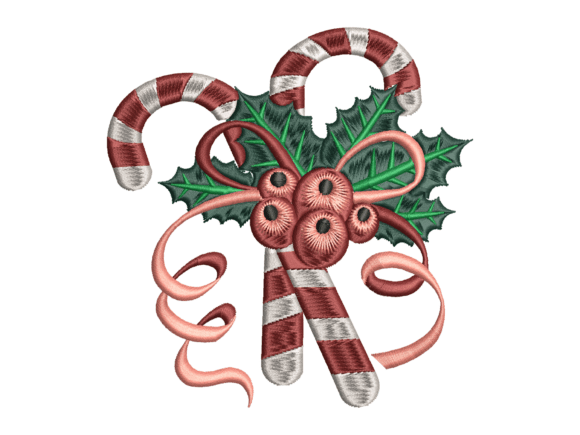
When I first opened the file for Wrapped Candy Embroidery, my initial thought wasn't about the sweet theme, but rather how this design would translate from a screen to actual fabric. As someone who has spent years reviewing digital assets for both personal hobbies and commercial client work, I look past the pretty thumbnail image to see the structural integrity of the stitch plan. This isn't just another cute motif; it is a specific tool that needs to be understood before it hits the hoop. The concept of a Dessert category item usually implies softness and playfulness, but the execution here determines whether it ends up as a charming boutique piece or a frustrating mess on the sewing machine.
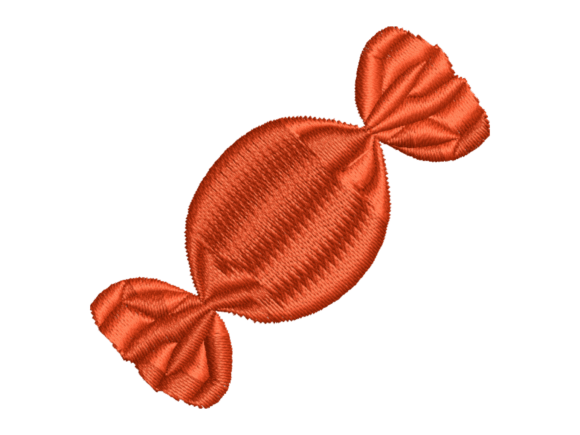
The mood this design creates is undeniably cheerful and nostalgic. It feels like something you might find in a vintage candy shop window, wrapped tight with ribbons and bright colors. For an embroidery designer, the visual personality suggests a project that leans towards whimsy. It naturally belongs in spaces where comfort and joy are the primary goals: a nursery wall hanging, a child's birthday gift, or a fun accent on a kitchen towel. However, the "wrapped" aspect introduces specific challenges regarding how the thread lays down. If the satin stitches are too dense, the candy wrapper will look stiff; if they are too sparse, the shape loses definition. My experience tells me that this design sits right on the edge, requiring careful attention to tension and stabilizer choice.
Let me walk you through a real-life scenario where I tested this design. I was preparing a custom embroidered tote bag for a local craft fair, aiming to create a line of accessories that appealed to Etsy sellers and handmade shop owners. The goal was a product that felt premium yet approachable. I selected a sturdy canvas tote and decided to place the Wrapped Candy Embroidery near the top corner of the bag. The immediate question was how the design would hold up against the friction of daily use and washing. Unlike a simple logo, this design relies on the contrast between the ribbon detail and the candy body. On the canvas, the result was striking. The fill stitches created a nice texture that mimicked the paper wrapping, and the satin stitch outline gave it that crisp, professional finish that customers expect when they pay a premium price.
However, not every application works as smoothly. When I considered using this design on a sweatshirt for a holiday gift collection, I had to pause and evaluate the fabric texture. Sweatshirts often have a looped interior or a brushed exterior that can swallow up fine details. While the design is robust enough for a standard hoodie, the smaller elements of the wrapper folds might get lost if the thread count is too low. This is why checking the stitch density before committing to a large production run is non-negotiable. A machine embroidery design that looks perfect on a flat, taut hoop might distort significantly once placed on a curved surface like a cap or a fitted baby onesie. The Wrapped Candy Embroidery has a rounded silhouette, which helps it conform better to curves than a square design, but the density still needs to be managed to prevent puckering.
For those of you running a small business or selling on platforms like Etsy, understanding where this design fits best is crucial for brand consistency. It shines in personalized gifts and boutique branding. Imagine a set of matching aprons for a bakery team, each featuring a different color variation of this candy. The design adds a cohesive, thematic element that elevates the perceived value of the merchandise. It signals to the buyer that the maker cares about the aesthetic details, not just the utility. In terms of finished product quality, the clarity of the stitching directly impacts customer trust. If the threads fray or the edges look jagged due to poor hooping, the entire presentation suffers. Conversely, a clean execution of Wrapped Candy Embroidery suggests a high level of craftsmanship that justifies higher price points.
There are, however, areas where caution is required. Small hoop sizes are a common pitfall. If you attempt to digitize or embroider this on a 4x4 hoop without scaling it down appropriately, the intricate details of the wrapper might become indistinguishable blobs. Similarly, textured fabrics like heavy denim or boucle wool can make the design look uneven. The stabilizer choice becomes even more critical here. You need a stabilizer that provides enough support to keep the fill stitches flat without adding so much bulk that the fabric becomes rigid. For stretchy fabrics, such as athletic wear or thin t-shirts, you must use a tear-away or cut-away stabilizer to prevent the design from distorting during wear. Dark fabrics also present a challenge; the contrast between the thread and the fabric must be high enough to ensure the design pops, otherwise, the sweetness of the theme gets lost in the background.
From a practical standpoint, the versatility of this asset is one of its strongest features. It works seamlessly as a standalone motif or as part of a larger composition. For instance, you could combine it with text for a custom apparel line or use it as a decorative accent on a pillow cover. The design assets provided are intended for immediate integration into your workflow, whether you are creating printable mockups for online listings or producing physical goods for a craft fair. The fact that these are digital files delivered in a compressed format means you can test them repeatedly without worrying about shipping costs or returns. This instant access allows for rapid prototyping, letting you experiment with different thread colors and fabric combinations until you find the perfect match.
Before you start stitching, there are several technical notes to consider. First, always test the design on scrap fabric. This simple step can save you hours of frustration by revealing issues with thread tension or stitch density that aren't apparent on the computer screen. Check the thread color contrast carefully; what looks good on a monitor might wash out on a specific fabric shade. Review the stitch density to ensure it isn't too heavy for the material you are using. Confirm the hoop size requirements and inspect the small details to make sure they are legible. Testing the design in black and white mockups can also help you visualize how the shapes interact without the distraction of color. Finally, verify the licensing terms before selling finished items or distributing the digital product. Understanding the rules of use is essential for maintaining professionalism and avoiding legal issues.
In conclusion, Wrapped Candy Embroidery is a versatile and charming addition to any designer's library. It brings a sense of fun and nostalgia to a variety of projects, from baby clothes to commercial merchandise. Its success depends largely on the skill of the operator and the appropriateness of the materials chosen. By treating it as a serious design asset rather than just a cute image, you can create finished products that delight customers and stand out in a crowded market. Whether you are a hobbyist looking to make a unique gift or an entrepreneur building a brand, this design offers a solid foundation for creative expression. Just remember to respect the limitations of the medium, prepare your workspace properly, and let the creativity flow.