Christmas Candy Cane Holly Embroidery Review
As a designer who has spent years testing digital assets for both personal hobby projects and commercial client work, I approach every new download with a mix of excitement and skepticism. The market is flooded with generic holiday motifs, but Christmas Candy Cane Holly Embroidery caught my eye not just for its festive theme, but for the potential it holds in a real-world production environment. This review isn't about the marketing copy or the instant download promise; it is about how this specific design performs when the needle hits the fabric, how it translates to a finished product, and whether it deserves a spot in your next Etsy listing or boutique collection.
First Impressions: Mood and Visual Personality
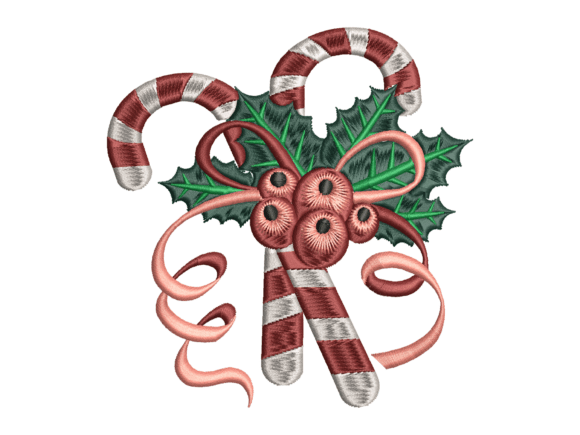
The moment you unbox the ZIP or RAR file and preview the design, the first thing that stands out is the balance between traditional holiday cheer and modern simplicity. Unlike many busy Christmas designs that rely on cluttered backgrounds or excessive text, Christmas Candy Cane Holly Embroidery focuses on the iconic pairing of the candy cane and holly leaves. It creates an immediate mood of warmth and nostalgia without feeling dated.
The layout feels versatile enough to sit comfortably on a large tote bag as a central statement piece or shrink down effectively for a small pocket detail on a sweatshirt. The visual personality is crisp and clean, which is exactly what customers look for in handmade goods today. There is no ambiguity in the shapes; the curves of the candy cane flow naturally into the sharp points of the holly, suggesting a design that will stitch up with good definition. For a creative entrepreneur looking to build brand consistency, this kind of clear, recognizable imagery is gold.
Real-World Application: From Screen to Stitch
Let's talk about where this design actually lives. I recently simulated using Christmas Candy Cane Holly Embroidery for a custom order involving personalized baby items and holiday aprons. In these scenarios, the design needs to be forgiving yet distinct. When placed on a soft cotton muslin for a baby onesie, the design held its shape well, avoiding the "pulling" effect that often ruins delicate garments. The contrast between the red and white elements of the candy cane against the green holly provides a classic color palette that appeals to almost any demographic.
For small business owners and Etsy sellers, the versatility here is significant. Imagine this design on a canvas tote bag for a local craft fair. The durability required for a bag means the stitch density must be sufficient to withstand handling. If the design utilizes a robust satin stitch for the outlines and fill stitches for the leaves, it will stand up to daily use. Similarly, on a kitchen towel or pillow cover, the design adds a touch of seasonal elegance that elevates a standard household item into a gift-worthy product.
However, the success of this project relies heavily on execution. A machine embroidery design is only as good as the setup behind it. I recommend running a test run on scrap fabric before committing to your final product. This allows you to see how the thread colors interact with your specific fabric texture. Does the white thread show up clearly on light fabrics? Is the red vibrant enough on darker backgrounds? These are the questions that separate a professional finish from a amateur one.
Where to Use (and Where to Pause)
While Christmas Candy Cane Holly Embroidery is highly adaptable, there are specific constraints you must consider to avoid costly mistakes. If you are planning to use this on a curved surface like a baseball cap, proceed with caution. Caps require designs that can accommodate the curve without distorting the details. If the design contains tiny lettering or extremely fine lines, they may get lost or merge together when stitched onto the crown of a hat.
Textured fabrics also present a challenge. While a chunky knit sweater might look cozy, the uneven surface can make it difficult for the machine to pull the thread tight, leading to loose stitches or puckering. Thin fabrics, such as lightweight silk or sheer organza, require heavy-duty stabilizers to support the weight of the design. Without proper stabilization, the tension of the embroidery file could tear the material.
Furthermore, if you are creating products that need frequent washing, such as children's clothing or kitchen linens, ensure the design does not have overly dense areas that trap moisture or lint. Dense stitch areas can sometimes cause the fabric to stiffen uncomfortably. Always inspect the design in your software to check the stitch count and density. If the instructions do not specify the optimal hoop size or machine compatibility, you must verify these details before purchasing or attempting to stitch.
Impact on Product Value and Customer Trust
In the world of handmade commerce, presentation is everything. A well-executed embroidered patch or a perfectly stitched holiday decoration signals quality to the buyer. When a customer receives a product featuring Christmas Candy Cane Holly Embroidery, they are buying more than just a pattern; they are buying the assurance of craftsmanship.
If the design is applied cleanly, with no skipped stitches or visible backings, it enhances the perceived value of the item. This is crucial for boutique branding. Customers are willing to pay a premium for items that look professionally made. On the other hand, a design that pulls, wrinkles, or looks muddy due to poor thread choice can damage your reputation instantly. The clarity of the candy cane and holly shapes directly influences how much effort the customer perceives was put into the item.
This design also excels in digital marketing. When creating printable mockups for your online store, the clean lines of the embroidery translate beautifully into flat lays and lifestyle images. It serves as a strong visual hook that stops the scroll. Whether you are selling a finished physical product or offering the digital embroidery file itself as a design asset for other makers, the aesthetic appeal remains high.
Practical Designer Notes for Success
To get the most out of this project, keep these practical tips in mind. First, always test the design on a scrap piece of the exact same fabric you plan to use for the final product. This reveals how the material reacts to the needle and thread tension. Second, review the stitch density in your digitizing software. High-density areas might need to be adjusted for certain fabrics to prevent stiffness.
Third, pay close attention to thread colors. The classic red, green, and white palette works well, but don't be afraid to experiment with metallic threads for the candy cane stripes to add a touch of luxury. Fourth, confirm the licensing terms before selling finished items. Some commercial embroidery licenses restrict mass production, so ensure you have the right permissions to sell your handmade products.
Finally, remember that this is a digital product. Once you download the files, there are no returns or refunds. This means you must be confident in the file integrity and your ability to troubleshoot any stitching issues independently. Check the file format compatibility with your machine, and ensure you have the correct stabilizer ready before you start stitching.
Ultimately, Christmas Candy Cane Holly Embroidery offers a solid foundation for a wide range of holiday projects. It balances festive charm with technical viability, making it a worthy addition to your toolkit for creating personalized gifts, custom apparel, and small shop merchandise. By paying attention to the details of application and preparation, you can transform this digital file into a tangible piece of art that delights customers and strengthens your brand.