Wellington Boots Machine Embroidery Review
As an experienced embroidery designer who has spent countless weekends prepping for craft fairs and managing a busy handmade shop, I know that the difference between a stall that sells out and one that gathers dust often comes down to design selection. When I first laid eyes on the Wellington Boots Machine Embroidery design, I immediately visualized it sitting alongside other spring-themed items on my display table. It is not just a digital file; it is a potential bestseller if positioned correctly.
The product description promises to add a "touch of rainy-day charm," which is a compelling hook for spring sewing and Easter outfits. But does it translate well from a screen to a physical product? In this review, I am putting myself in the shoes of a boutique maker preparing a booth display to see if this design earns its spot in a commercial collection.
First Impressions: Charm Meets Commercial Appeal
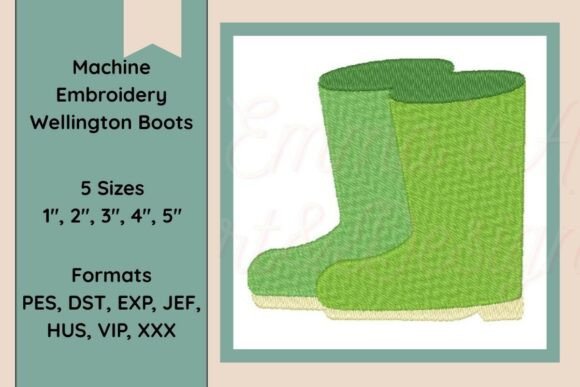
The moment you view the Wellington Boots Machine Embroidery asset, the aesthetic feels distinctly rustic yet modern. It strikes a balance that is perfect for the current market trend of farmhouse chic mixed with playful seasonal decor. Unlike some designs that feel too stiff or overly formal, this one suggests softness and approachability. It feels like a "handmade gift" waiting to happen.
For an Etsy seller or a craft fair vendor, this vibe is gold. Customers are looking for items that evoke a feeling of coziness, especially during the transition from winter to spring. The imagery of rain boots naturally triggers memories of muddy gardens, cozy afternoons, and fresh beginnings. This emotional connection is what drives impulse buys at a weekend market. It works as both a cute accent for children's clothing and a sophisticated nod to garden lovers on adult aprons.
Product Potential: Where This Design Shines
To determine the true value of this embroidery file, we must look at how it performs across various craft fair product categories. Not every design fits every surface, and knowing where to place Wellington Boots Machine Embroidery is key to maximizing sales.
- Tote Bags and Market Bags: This is arguably the strongest candidate. A pair of embroidered boots on a canvas tote bag screams "practical style." It photographs beautifully for online listings, creating a strong visual anchor that stops scrollers in their tracks. As a tote bag design, it adds character without overwhelming the fabric texture.
- Apron Embroidery: For the home cook or gardener, placing this design on a linen or denim apron creates a functional piece of art. It serves as a great conversation starter at a demo booth. The design likely works well as a chest pocket accent or a centered focal point on a bib apron.
- Tea Towel Embroidery: Spring-themed kitchen linens are perennial sellers. The colorful nature of rain boots contrasts nicely with white or cream towels, making them ideal for giftable handmade items. They are small enough to produce quickly but large enough to show detail.
- Caps and Patches: If the design scales well, it could work on a baseball cap brim or as an iron-on embroidered patch. However, curvature can be tricky here. A curved cap surface might distort the shape of the boots if the digitization isn't precise, so testing is essential before bulk production.
- Pillow Covers and Fabric Pouches: These smaller items allow for a higher price point per unit due to lower material costs. A set of two pillow covers featuring matching boot designs could create a cohesive "Spring Collection" look for a booth display.
Production Realities: From Digital File to Finished Product
When evaluating this for batch production, we have to consider the practicalities of the machine. Is it easy to understand at a glance? Does it photograph well? The answer generally leans yes, provided the stitch density is appropriate. A design that is too sparse looks cheap, while one that is too dense can pucker the fabric.
For an Etsy seller or digital creator, the ability to create a printable mockup is crucial. You need to visualize how the thread colors interact with different fabrics. Does the design lose clarity when shrunk down for a small pouch? If the stitch density is high, it may require a specific type of stabilizer to prevent the fabric from buckling. Always test on scrap fabric before committing to your final inventory.
The question of scale is vital. Can this serve as a small accent, or does it demand to be a large focal design? If the details are intricate, it might struggle as a tiny logo on a hat but shine as a centerpiece on a tea towel. Understanding these limitations helps you avoid returns and customer complaints about blurry details.
Critical Considerations for Quality Control
Before turning this into a revenue stream, there are several technical hurdles to clear. Dense stitch areas can sometimes trap lint or cause thread breaks if the tension isn't perfect. Tiny details, particularly around the laces or tread of the boots, might disappear on dark fabric or textured towels. If you are using a thick cotton canvas, ensure the hoop size accommodates the design without cutting off edges.
Fabric texture plays a massive role in the final look. On a smooth sateen, the design will pop with sharp definition. On a rough, nubby burlap, the stitches might get lost in the weave. I recommend comparing fabric colors side-by-side to confirm contrast. Darker threads on dark backgrounds rarely work unless you use metallics or high-contrast variegated threads.
Additionally, check the licensing terms carefully. Are you allowed to sell finished products made from this digital embroidery file? Some licenses restrict commercial use or limit the number of units you can produce. Confirming commercial embroidery rights is a non-negotiable step for any business owner.
Strategic Selling and Visual Appeal
Ultimately, the success of Wellington Boots Machine Embroidery depends on how it enhances your brand consistency. It fits perfectly into a narrative of "Spring," "Easter," and "Garden Life." By curating a booth display that includes aprons, bags, and pillows all featuring this motif, you create a thematic zone that draws buyers in.
Customer attention is won through quality. A clean finish with no loose threads signals a premium product. When customers touch a well-executed finished product, they perceive higher value. This design has the potential to elevate a standard tote bag into a unique, handcrafted item that justifies a higher price tag.
Whether you are a small shop owner or a creative entrepreneur looking to expand your catalog, this design offers versatility. Just remember to inspect the stitch density, verify the hoop size requirements, and always create at least one real-world sample before listing it on your store. With careful execution, this charming addition to your collection could become a staple for your next craft fair season.