Classic Oval Runner Placemat Embroidery Review
As someone who has stitched thousands of designs for clients and personal projects, I know that the difference between a good product listing and a profitable finished item often comes down to one thing: practical judgment. Today, I am looking at the Classic Oval Runner Placemat Embroidery. It is not just another file in a library; it is a design asset that needs to be tested against real-world constraints before it ever touches your hoop. Whether you are an Etsy seller looking to expand your kitchen line or a boutique owner creating custom aprons, understanding how this specific design behaves on fabric is crucial.
First Impressions and Design Personality
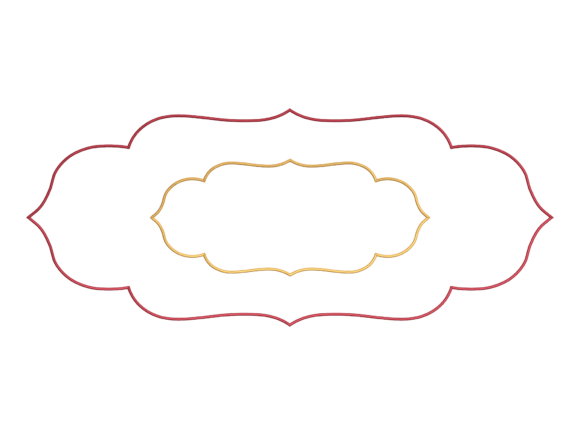
The moment you open the digital embroidery files delivered in ZIP or RAR format, you are greeted by a shape that feels inherently welcoming. The oval runner silhouette creates a sense of continuity and flow that works exceptionally well for linear applications. Unlike square or rectangular motifs that can feel rigid, this design possesses a soft, organic personality. It suggests comfort, tradition, and a touch of rustic elegance.
Visually, the layout appears balanced. The negative space within the oval allows the eye to rest, making it versatile enough for various themes, from farmhouse aesthetics to modern minimalism. However, as a designer, my first thought is not about the mood alone, but about execution. Does the design rely too heavily on dense fill stitches? Are there tiny details that might get lost during the stitching process? For a kitchen category product, clarity is king. If the lines are too thin or the stitch density is inconsistent, the final result will look muddy rather than crisp. This design seems to aim for a clean, classic look, which is exactly what buyers want when they purchase a handmade product intended for daily use.
Real-World Application: From Digital File to Finished Product
To truly understand the potential of the Classic Oval Runner Placemat Embroidery, let's imagine a specific scenario. You are preparing for the upcoming holiday season and need to create a cohesive collection of gifts for your small shop. You decide to launch a set of personalized tea towels and matching pillow covers. This is where the design shines. The oval shape fits perfectly across the width of a standard kitchen towel without cutting off important elements.
I envision using this as a central motif on a linen tea towel, perhaps with a running stitch border to mimic hand-stitched perfection. Alternatively, placing this design on the chest of a heavy cotton apron could elevate a simple garment into a premium boutique item. For an Etsy seller, this versatility is gold. It allows you to offer variations: a monogrammed version for weddings, a festive version for Christmas, or a minimalist version for everyday decor. The design acts as a foundational element that supports branding consistency across different embroidery project types.
When considering commercial embroidery, the efficiency of this file matters. If the digitization is clean, it should run smoothly on industrial machines, reducing thread breaks and stabilizer usage. However, if you are working with a home machine, the complexity of the curves must be manageable. The design feels most at home on stable fabrics like cotton duck, canvas, or high-quality linen. These materials provide the necessary structure to hold the shape without puckering, ensuring the finished product looks professional.
Where to Exercise Caution
While the design is promising, there are specific situations where the Classic Oval Runner Placemat Embroidery might struggle. As an experienced reviewer, I cannot stress enough the importance of knowing where not to use a design. First, avoid small hoop sizes. If you attempt to fit this runner motif onto a very small patch or a baby onesie, the details may become indistinguishable. The oval shape requires a certain amount of real estate to breathe; compressing it will ruin the aesthetic.
Textured fabrics present another challenge. While the design looks great on smooth linens, applying it to a rough burlap or a highly textured wool blend might obscure the finer threads. Similarly, stretchy fabrics like jersey require extra care. Without a strong cut-away stabilizer, the tension of the embroidery could distort the oval shape, making it look wavy or uneven. Dark fabrics also pose a risk if the thread colors chosen do not have sufficient contrast. A light-colored satin stitch on a dark background might disappear, defeating the purpose of the design.
Furthermore, be wary of curved surfaces like caps. While ovals can work on caps, the curvature of the brim and the crown can flatten the design visually. If the original digitization assumes a flat surface, transferring it to a rounded cap might result in distorted corners. Finally, consider products that undergo frequent washing. Kitchen items like towels and aprons face heat and agitation. If the stitch density is too high, the fabric may become stiff and prone to tearing over time. Always balance visual appeal with durability.
Impact on Brand Value and Customer Trust
In the world of craft business, the quality of your embroidery speaks volumes about your brand. A well-executed Classic Oval Runner Placemat Embroidery design signals attention to detail and professionalism. When customers see a clean, precise oval with no loose threads or puckering, they trust the quality of the entire item. This perception directly influences their willingness to pay a premium price.
Conversely, a poorly executed design can damage your reputation instantly. If the embroidery file results in a messy finish, customers may assume the entire handmade product is flawed. This is why testing is non-negotiable. Before you list a small shop product for sale, you must ensure the design translates well from screen to fabric. A high-quality printable mockup can help visualize the concept, but only a physical sample confirms the reality. Investing time in perfecting the presentation builds long-term customer loyalty and encourages repeat purchases.
Practical Designer Notes for Success
Before you commit to using this design in a commercial project, follow these essential steps. First, always test the design on scrap fabric that matches your final material. This reveals issues with tension, thread breakage, or fabric distortion that you might miss otherwise. Check the thread colors carefully; ensure they complement the fabric texture and stand out clearly.
Review the stitch density closely. High-density areas can cause the fabric to pucker, while low-density areas might look sparse. Confirm the recommended hoop size and stick to it strictly. Using a smaller hoop than intended can lead to misalignment or incomplete stitching. Inspect small details and decorative accents under magnification to ensure they are legible after stitching.
If you plan to sell finished items or use this as part of a larger design asset collection, confirm the licensing terms immediately. The product description states that digital files are delivered via instant download with no returns or refunds, so verify that your license permits commercial use. Use proper stabilizer based on the weight of your fabric; this is often the deciding factor between a successful and failed project. Finally, compare the design in both black and white mockups and on light and dark backgrounds to ensure versatility.
The Classic Oval Runner Placemat Embroidery has the potential to be a staple in any embroidery project library, provided it is treated with the respect and technical care it deserves. By approaching it with a critical eye and a focus on practical application, you can transform a simple digital file into a stunning personalized gift or a best-selling tote bag design. Remember, the best designs are not just those that look good on a screen, but those that perform flawlessly under the needle.