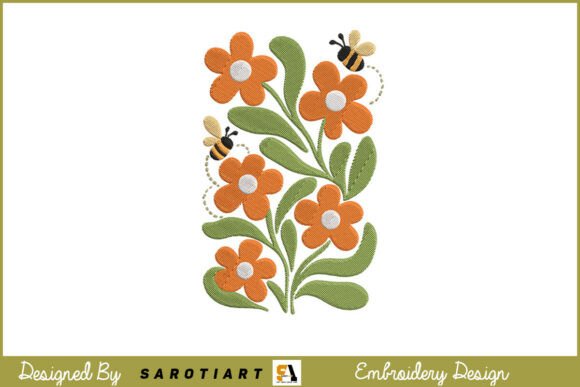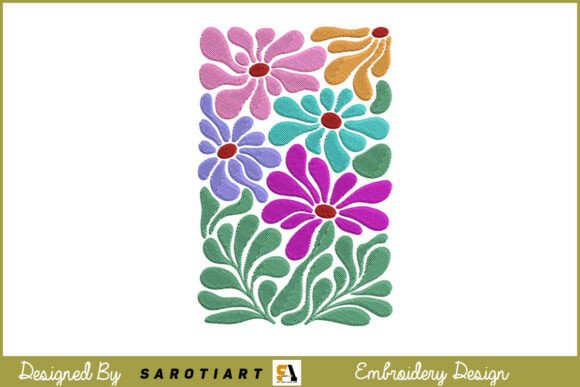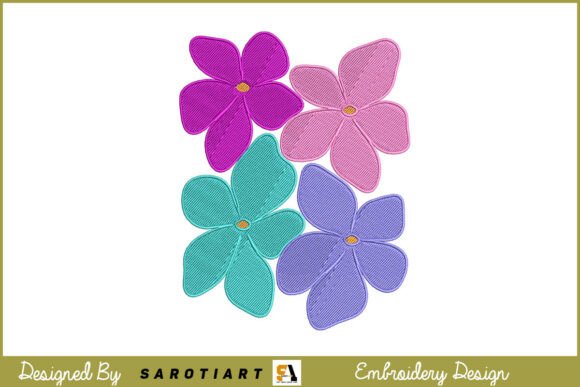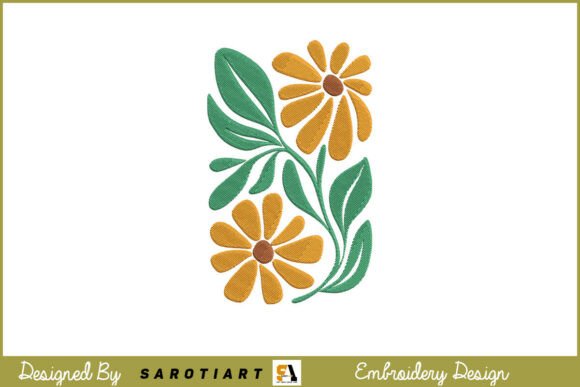
Boho Style Flowers Embroidery Design Review
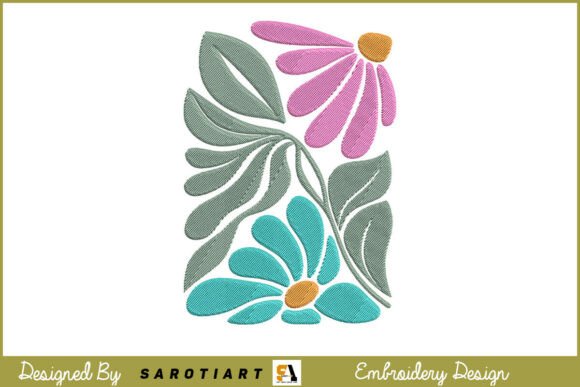
As an experienced embroidery designer preparing for a busy weekend craft fair, I know that the difference between a stall full of unsold inventory and a booth that sells out by noon often comes down to one thing: the design. When I first laid eyes on the Boho Style Flowers Embroidery Design, I immediately started visualizing how it would translate from a digital file into a tangible, high-value product sitting on a velvet-covered table. This review is not just about the aesthetic; it is a practical judgment call on whether this piece will generate sales, withstand production demands, and elevate your handmade brand.
First Impressions and Market Appeal
The title alone suggests a specific vibe, and my initial assessment confirms that the Boho Style Flowers Embroidery Design hits the sweet spot between rustic charm and modern elegance. In the current market for craft fair products, customers are drawn to designs that feel organic yet polished. This design does not scream for attention with neon colors or overly complex patterns; instead, it whispers quality through its likely use of soft lines and natural motifs. For an Etsy seller or boutique maker, this translates to a "premium" feel that justifies a higher price point.
When placed on a display, this machine embroidery design acts as a perfect accent. It avoids the cluttered look that can make small items appear cheap. Instead, it offers a focal point that feels intentional. Whether you are selling to parents looking for kids' clothing or homeowners seeking farmhouse decor, the boho aesthetic bridges the gap. It is versatile enough to be seen as cute and playful for children's wear while remaining sophisticated enough for adult accessories like tote bags and aprons.
Product Potential and Versatility
The true value of a digital embroidery file lies in its adaptability. Based on the description stating it works on various projects, I have mapped out exactly where this design shines in a physical retail setting.
- Tote Bags and Market Bags: This is arguably the strongest category for this design. A single flower motif on the front pocket of a canvas tote bag creates an instant upgrade from a generic grocery bag. The tote bag design potential here is massive because the fabric texture of canvas holds the stitches well, adding depth to the embroidery.
- Kitchen Textiles: Imagine this design stitched onto a linen tea towel or a heavy-duty apron. The tea towel embroidery application allows for a splash of color in a kitchen setting without overwhelming the space. It is a classic gift item that buyers love to pick up while browsing.
- Caps and Patches: For the more adventurous crafter, applying this to a curved cap surface requires precision, but the payoff is a unique accessory. Alternatively, stitching it onto a felt backing creates a ready-to-sew embroidered patch that can be sold individually or attached to denim jackets and backpacks.
- Home Decor: Pillow covers and small pouches benefit greatly from the Boho Style Flowers Embroidery Design. The floral element adds a touch of nature to neutral pillows, making them stand out against solid-colored linens.
Selling Strategy and Visual Impact
In a crowded booth, visual hierarchy is everything. This design excels at drawing the eye without being aggressive. When photographing these items for Etsy listings or social media, the contrast between the thread colors and the fabric background will determine the click-through rate. If the design features fine details, ensure your lighting highlights the texture of the stitches. A close-up shot showing the density of the threads can convince a buyer of the handmade quality they are paying for.
For batch production, the simplicity of this single flower motif is a goldmine. You can create a cohesive collection by varying the thread colors or fabric types while keeping the core design consistent. This consistency builds brand recognition. Customers who buy one item might return for another because the style feels familiar and trustworthy. It transforms a simple small shop product into a recognizable line of goods.
Production Realities and Technical Notes
While the aesthetic appeal is clear, we must address the technical side of turning this commercial embroidery asset into a finished good. As a professional, I advise caution with certain fabrics and sizes.
Stitch Density and Detail: Before running a full production run, you must test the design on scrap fabric. Some boho styles rely on delicate outlines that may break up if the stitch density is too low or if the fabric is too stretchy. Check the tiny details carefully. If the design includes very small lettering or intricate centers, ensure they remain legible when stitched. Tiny details often get lost on thick fabrics or textured towels, so always inspect the final output under bright light.
Fabric and Stabilizer Selection: The choice of stabilizer is critical. For items like apron embroidery or pillow covers, a cut-away stabilizer is usually necessary to prevent puckering over time. On thin t-shirts or kids' clothing, a tear-away might suffice, but you must verify the weight of the fabric matches the design's requirements. Thick fabrics like denim or heavy canvas require a robust stabilizer to support the weight of the thread.
Hoop Size and Placement: Confirm the recommended hoop size for this design. Attempting to stitch a large floral motif in a small hoop can lead to misalignment or distorted geometry. Always mark your placement on the garment before hooping to ensure the design sits correctly on the curve of a hat or the center of a tote bag.
Final Verdict for Sellers
The Boho Style Flowers Embroidery Design is a strong contender for any artisan looking to expand their catalog. Its ability to function as both a subtle accent and a statement piece makes it incredibly valuable for giftable handmade items. It photographs beautifully, suggesting a high level of craftsmanship that appeals to the modern consumer.
However, success depends on execution. Do not skip the step of creating at least one real mockup. Compare different thread colors to see which combinations pop against your chosen fabrics. Ensure you have the correct design assets and confirm your commercial licensing rights before listing these items for sale. By treating this design with professional care—checking spacing, reviewing density, and selecting the right materials—you will turn a simple digital file into a best-selling handmade product that captures the attention of every customer walking by your booth.